 Carter Garage Door & Gates
Garage door installation is a good moment to rethink what the door has to do. A Weehawken townhouse with a garage tucked under living space has different needs than a Paramus split-level with a detached two-car garage. Start with how you use the room behind the door, then work outward.
This guide takes each decision in order. If you're still torn between fixing the old door and replacing it, a repair visit can show what's actually worn before you start shopping.
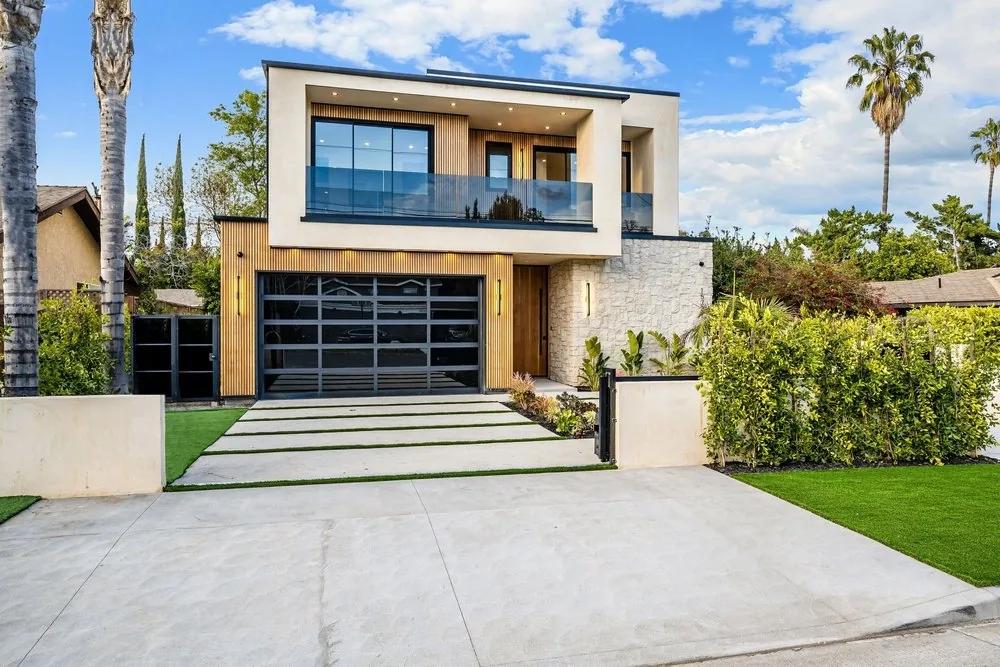
Materials: steel, wood, composite and glass
| Material | Strengths | Trade-offs in this climate |
|---|---|---|
| Steel | Durable, widely available, many styles, often insulated | Can dent; scratches exposed to road salt can rust if not touched up |
| Wood | Warm look that suits older and historic-style homes | Needs regular refinishing; moisture and freeze-thaw cycles are tough on it |
| Composite or wood-look | The appearance of wood with less upkeep | Look and durability vary by product; ask how it handles sun and cold |
| Aluminum and glass (full-view) | Modern look and lots of daylight | Glass insulates less than insulated steel; privacy is a consideration |
Wood-grain finishes on steel are a popular middle ground for owners who like the look of wood but not the refinishing schedule.
Insulation and R-value basics
R-value measures resistance to heat flow. Higher numbers insulate better, so an R-16 door holds heat better than an R-12 door, all else being equal.
- Polyurethane foam is injected, expands to fill the section and bonds to the steel skins. At the same thickness it insulates roughly twice as well as polystyrene.
- Polystyrene is cut into boards and fitted into the section. It adds insulation, usually at a lower R-value per inch.
- Non-insulated single-skin doors are the lightest option and can be fine for a detached, unheated garage.
The R-value printed on a brochure usually describes the door section. Real-world results also depend on thermal breaks, seals between sections, the bottom seal and the perimeter weatherstrip. A high-R door with gaps around it won't perform like its label.
How much insulation do you need?
One door maker's guidance suggests at least R-10 for an attached garage, around R-12 if you heat the space, and R-16 or more for a workshop or home gym. If the garage is detached and simply holds a car, insulation may be optional.
Wind load and local code
The International Residential Code (Section R609.4) requires garage doors to be tested for wind load under ANSI/DASMA 108 or ASTM E 330. New Jersey's Uniform Construction Code adopts the IRC, with state amendments, for one- and two-family homes, and your local construction office decides what a permit needs.
Homes facing open water or perched on an exposed ridge feel more wind than sheltered streets. Along the Hudson waterfront and on top of the Palisades, ask about the door's wind rating and how the tracks are anchored to the framing. Wide two-car doors may need reinforcing struts.
Glass sections can carry extra requirements in areas the code designates as windborne-debris regions, so check before ordering a full-view door for an exposed site.
Fit the door to the opening and the house
Headroom, backroom and side room
Standard track needs space above the opening for the springs and the curve of the track. Low-headroom track kits exist for tight garages, and a wall-mount opener can keep the ceiling clear. Measure before falling for a style with heavy panels or lots of glass, since weight changes the springs the door needs.
Common styles
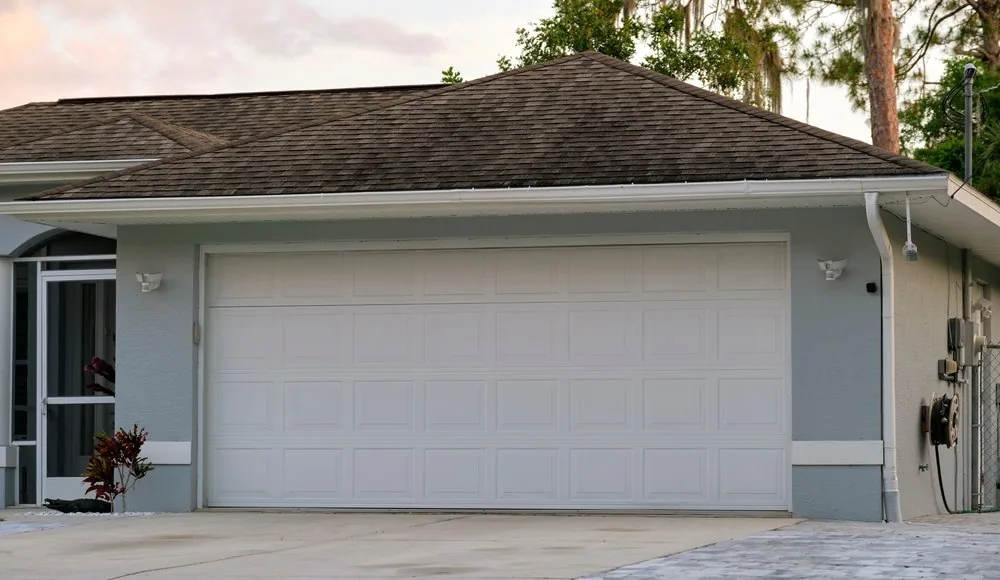
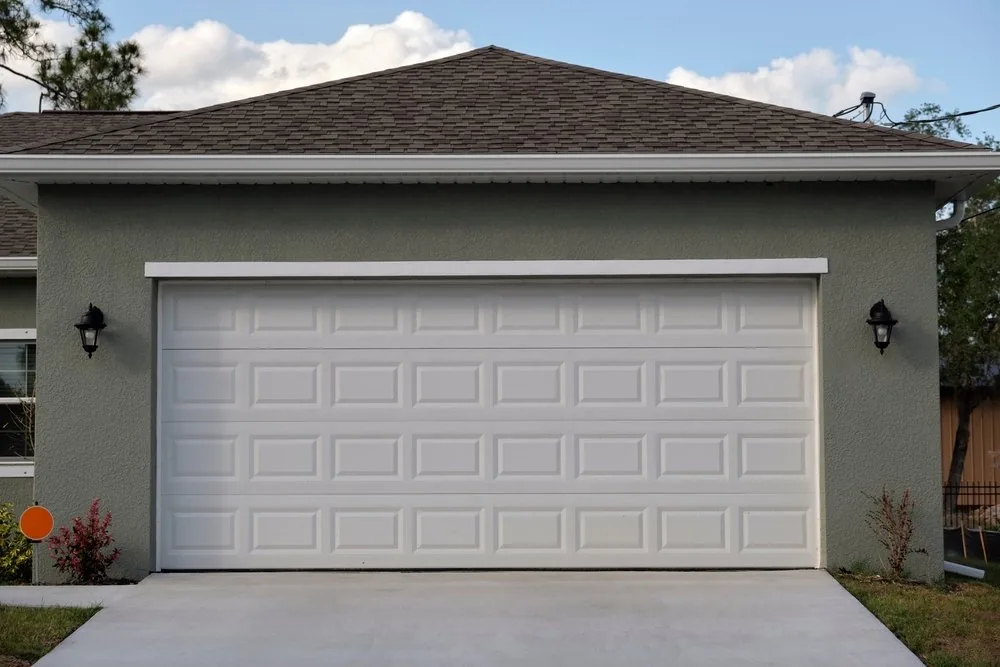
- Raised panel: traditional, works on colonials and older homes
- Carriage-style: looks like swing-out barn doors but operates as a sectional
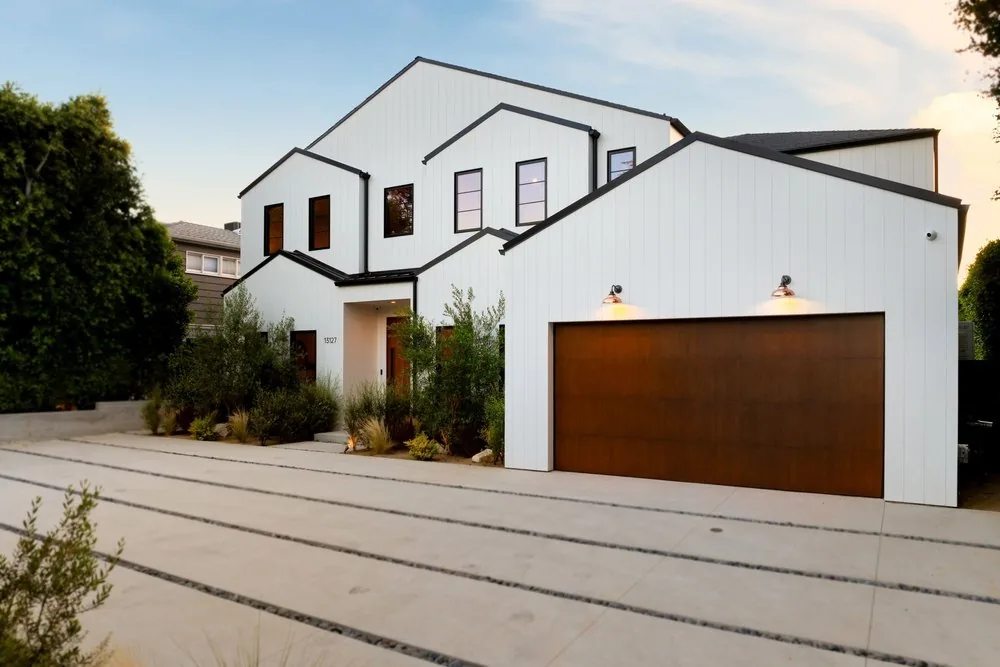
- Flush or slat modern: clean lines for newer builds
- Full-view glass: modern and bright, with privacy trade-offs
- Window inserts: top-section windows add light without giving up much privacy
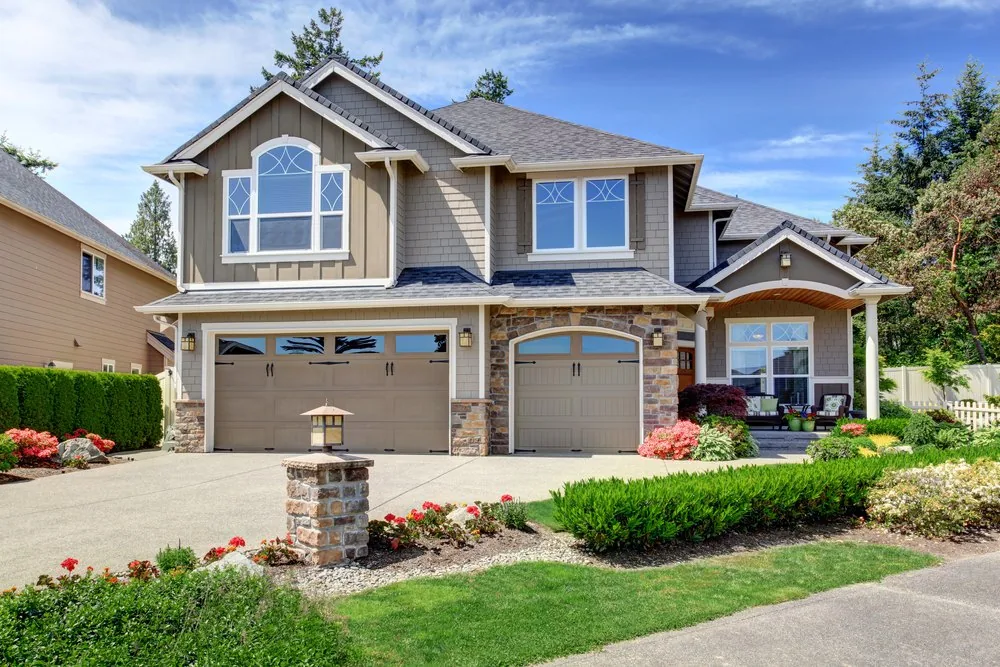
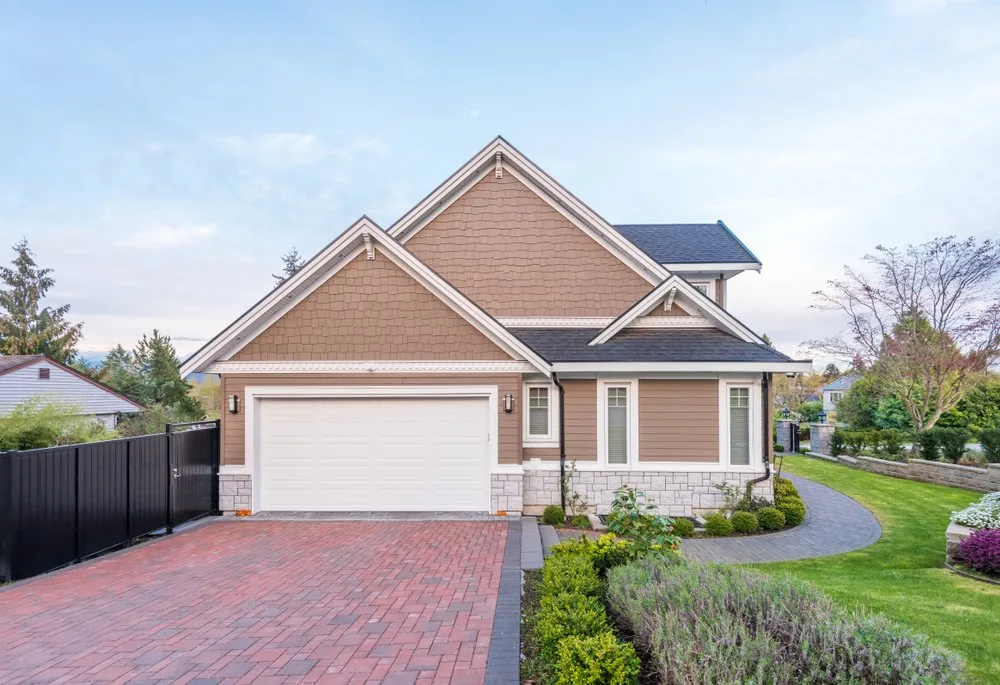
Look at the garage door together with the front entry and windows. Matching trim color or hardware finish often does more for curb appeal than an elaborate panel design.
What a proper install includes
- Measure the opening, headroom, backroom and side room, and check the framing for rot or damage.
- Take down the old door safely, starting by releasing the tension on its springs.
- Hang the new sections on fresh tracks, with cables, drums, rollers and a spring set calculated for this door.
- Fit weather seals along the bottom and around the perimeter.
- Connect or replace the opener, then test balance, auto-reverse and the photo eyes.
We handle new garage door installation across Hudson County and Bergen County. If your opener is older than the door you're replacing, consider having the opener checked or upgraded at the same time.
Need it fixed?
Garage Door Installation & Replacement across North & Central New Jersey
Garage door or gate trouble? Carter answers 24/7, wherever you are in North or Central New Jersey.
Frequently asked questions
Is an insulated garage door worth it?
For an attached garage, a garage under living space, or one you heat, usually yes. Insulation slows heat loss into the house, and the sandwich construction makes the door stiffer. Out back, in a detached building that only shelters a car, skipping insulation is a sensible way to go.
Steel or wood for a North Jersey home?
Steel handles salt, wet winters and daily use with little upkeep, especially with an insulated core and a factory finish. Wood looks great on older homes but needs regular refinishing to cope with moisture and freeze-thaw. Wood-look steel and composite sit in between.
Will my existing opener work with a new door?
Sometimes. The new door gets springs sized to its weight, so the opener mainly guides it. If the opener is old, struggles, or lacks photo-eye safety sensors, replacing it during the door installation is worth discussing.
What should I measure before I get a quote?
Width and height of the opening, headroom above it, backroom from the opening to the back wall or obstruction, and side room on both sides. Note any beams, ducts or a garage ceiling that steps down. A technician will confirm these on site.